farming for the future
I wrote this piece for Idaho Magazine. It came out in the October 2024 issue.
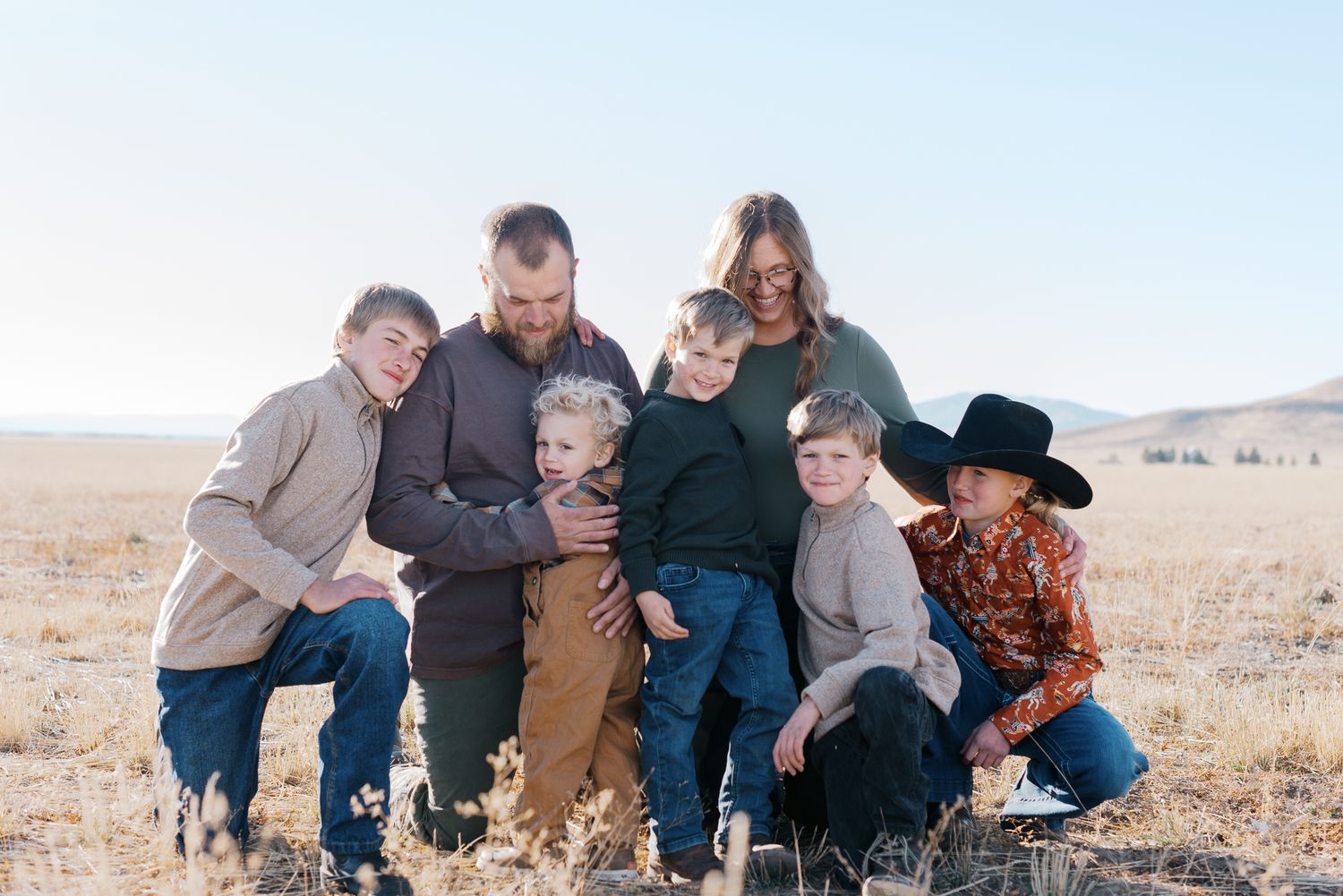
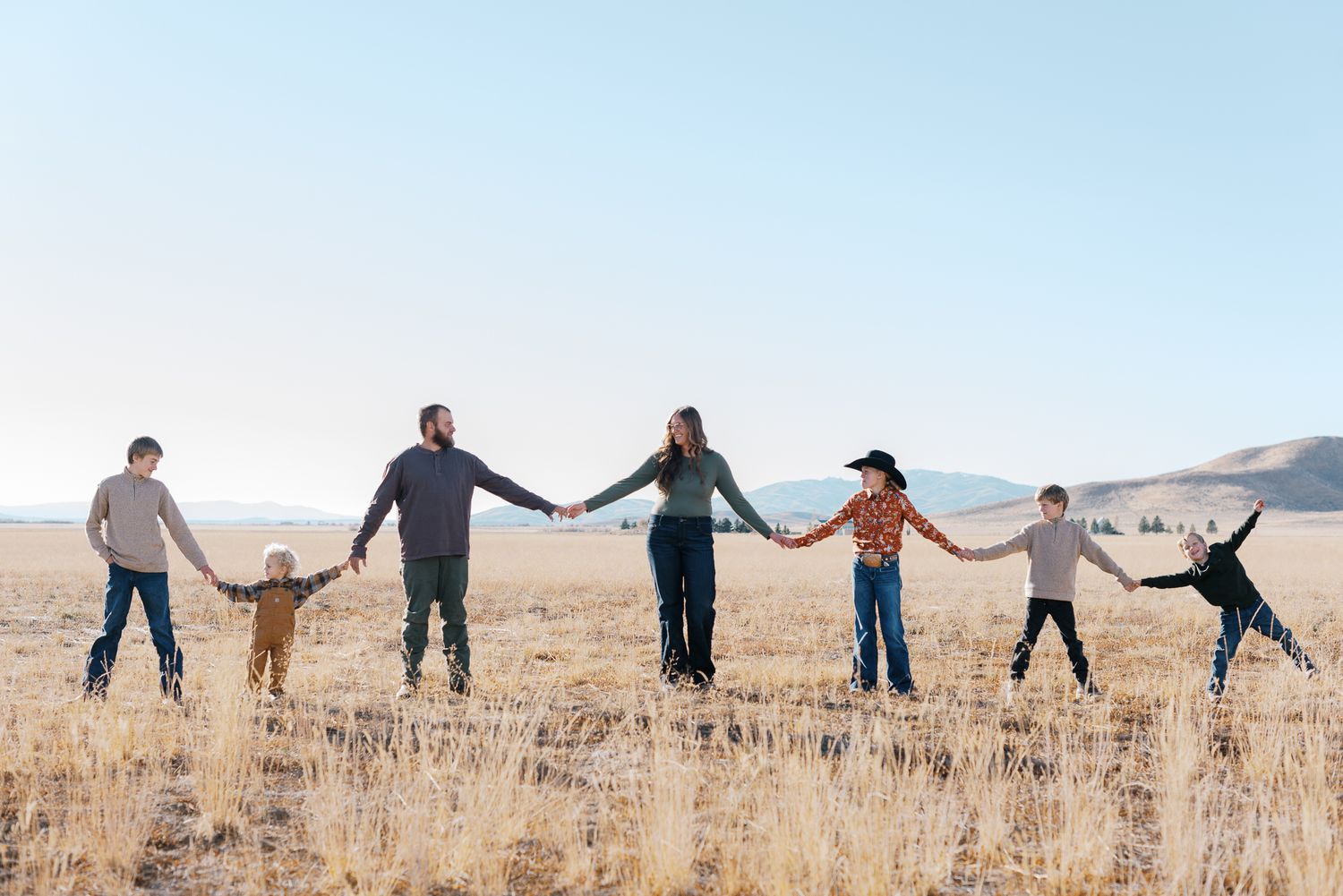
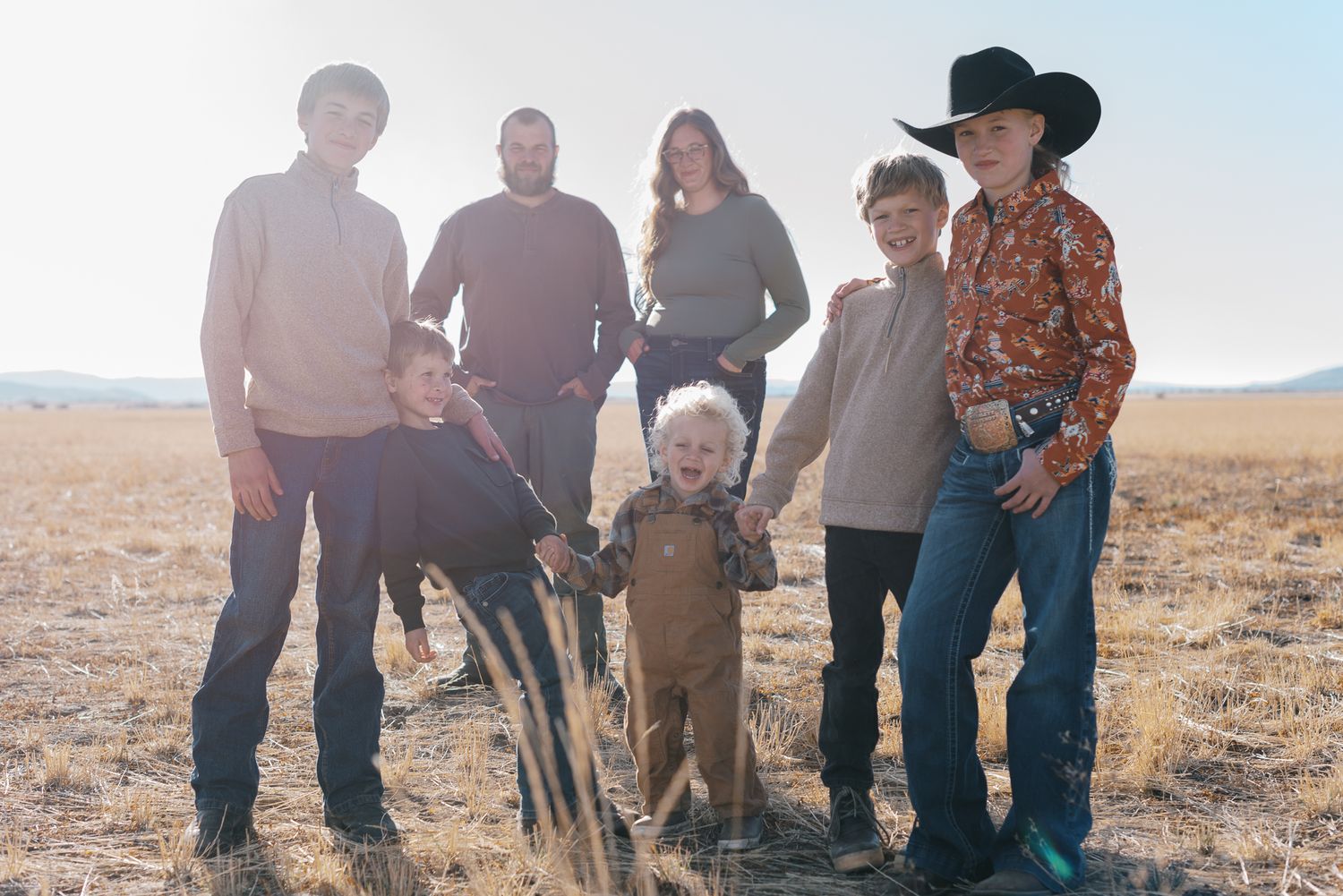
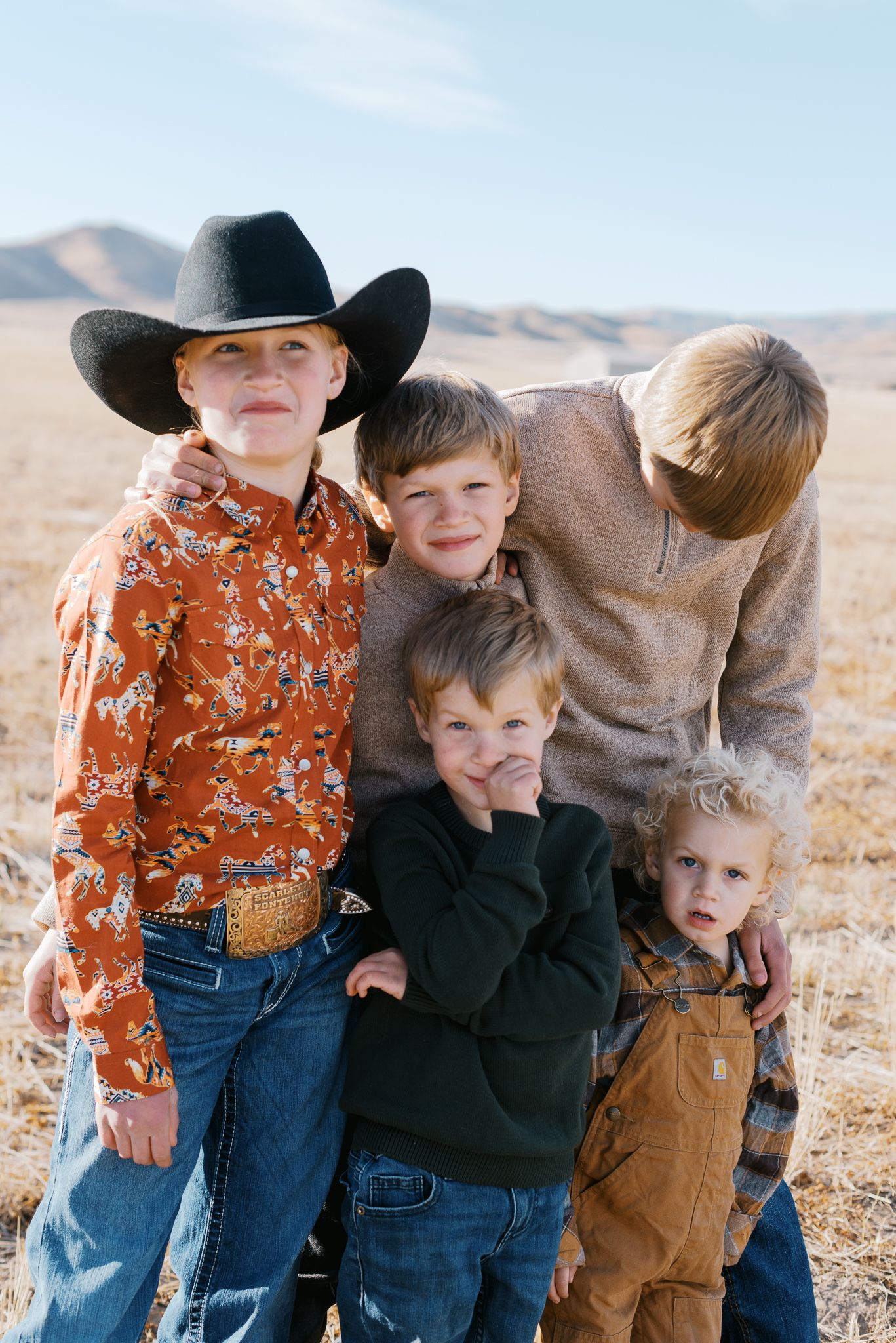
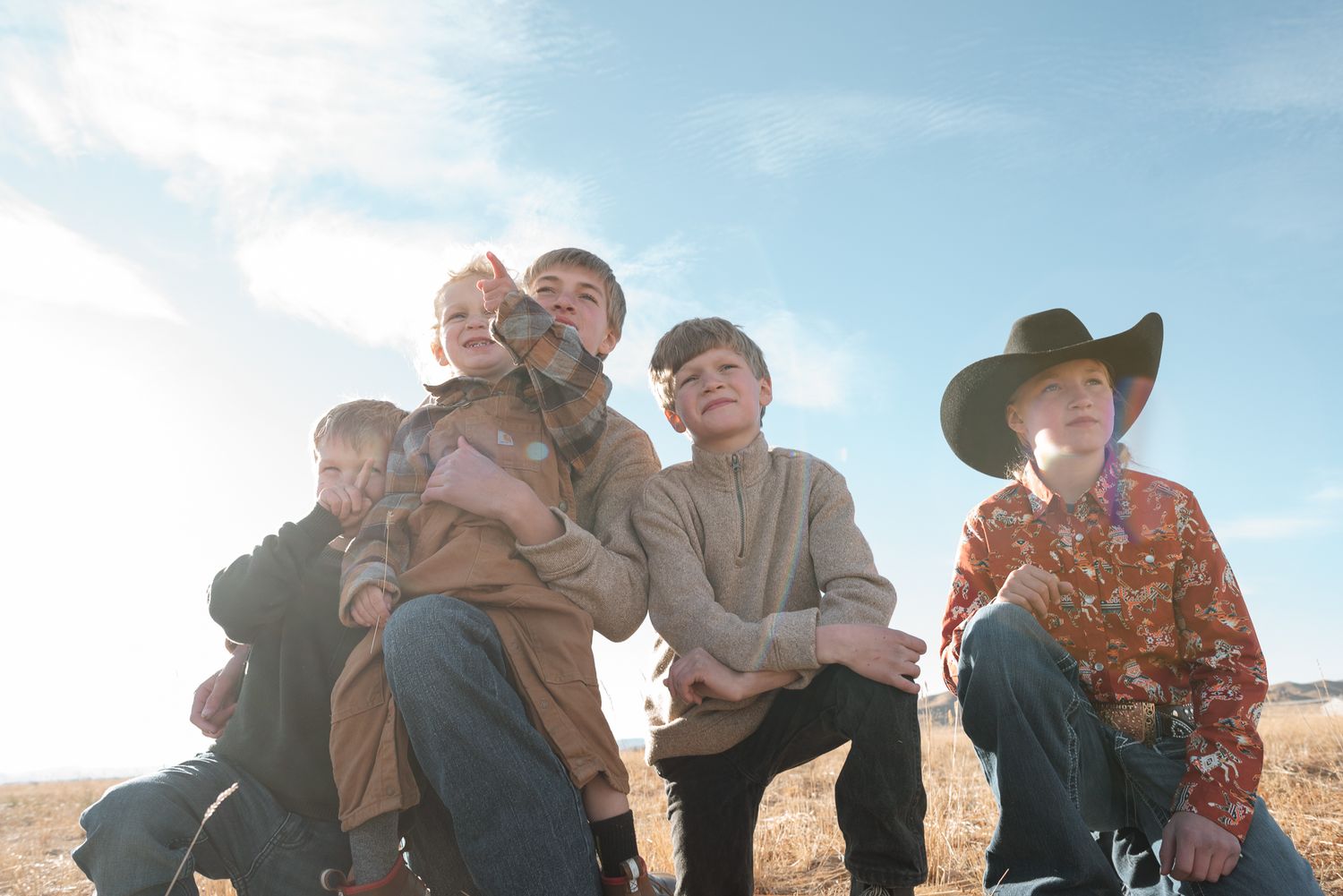
As a photographer, I asked questions while I photographed their family. What I thought was going to be some chit chat about their dogs (such good girls) became a deep dive into regenerative ag. I was hooked. Here's some of the story...
Farming for the Future
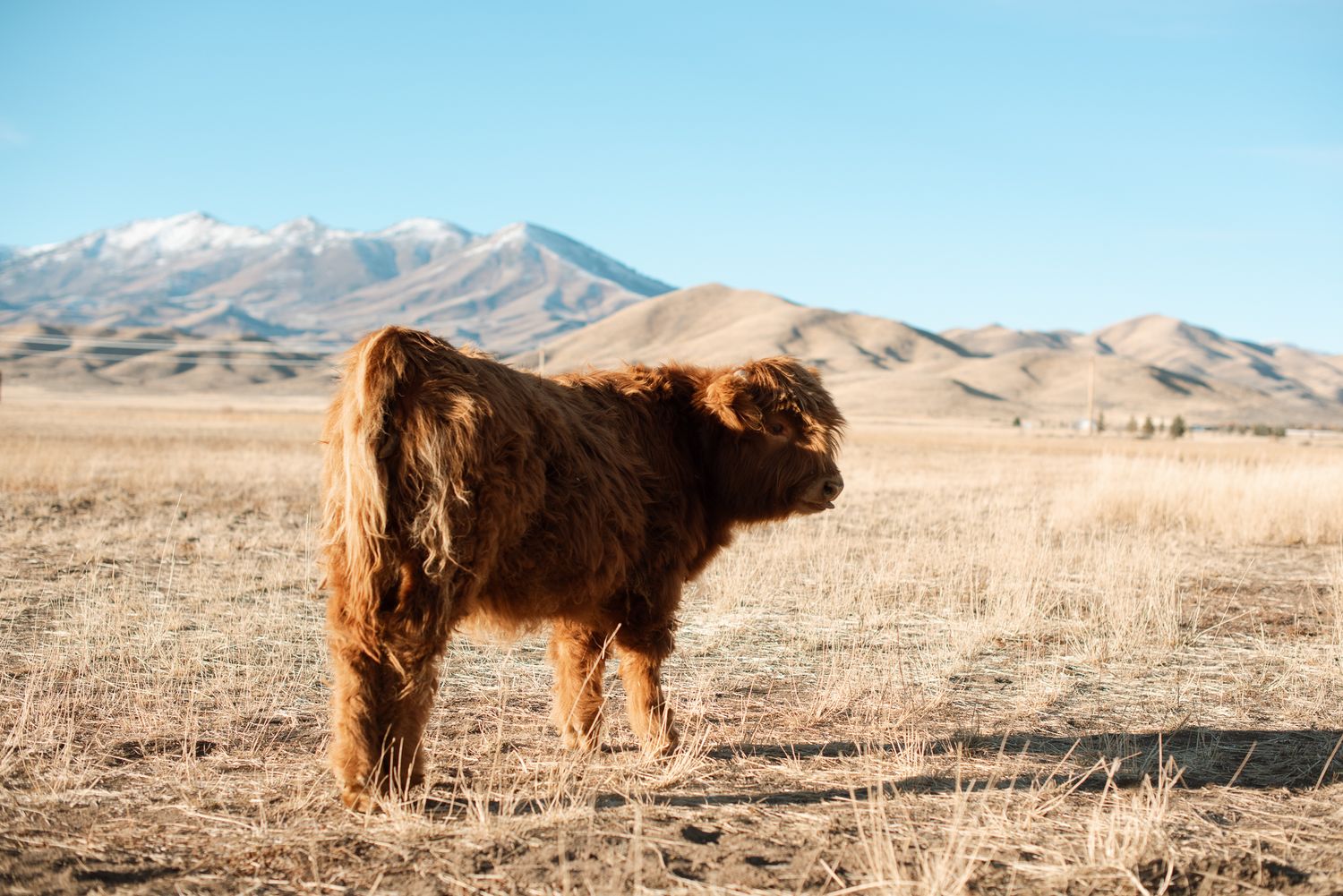
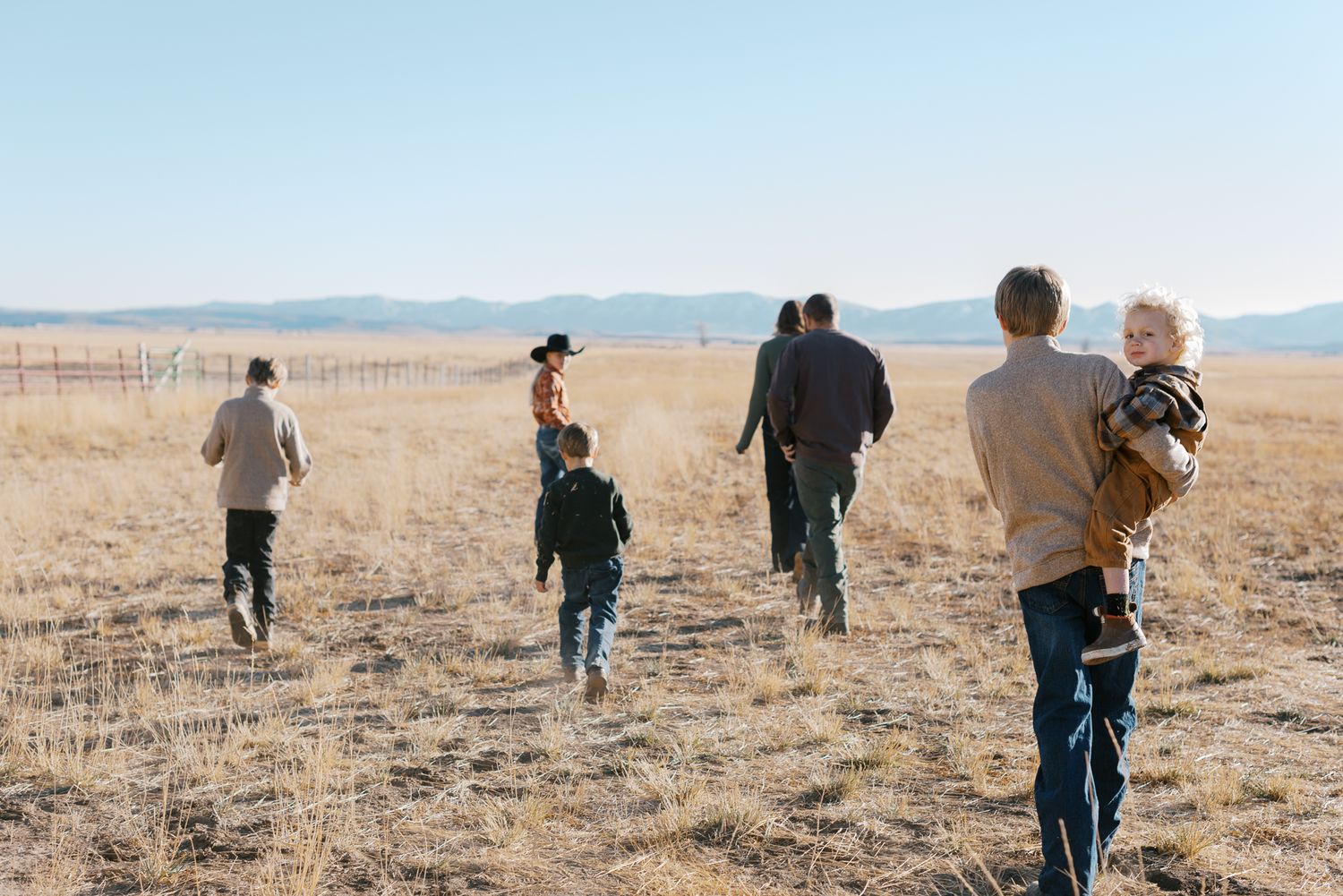
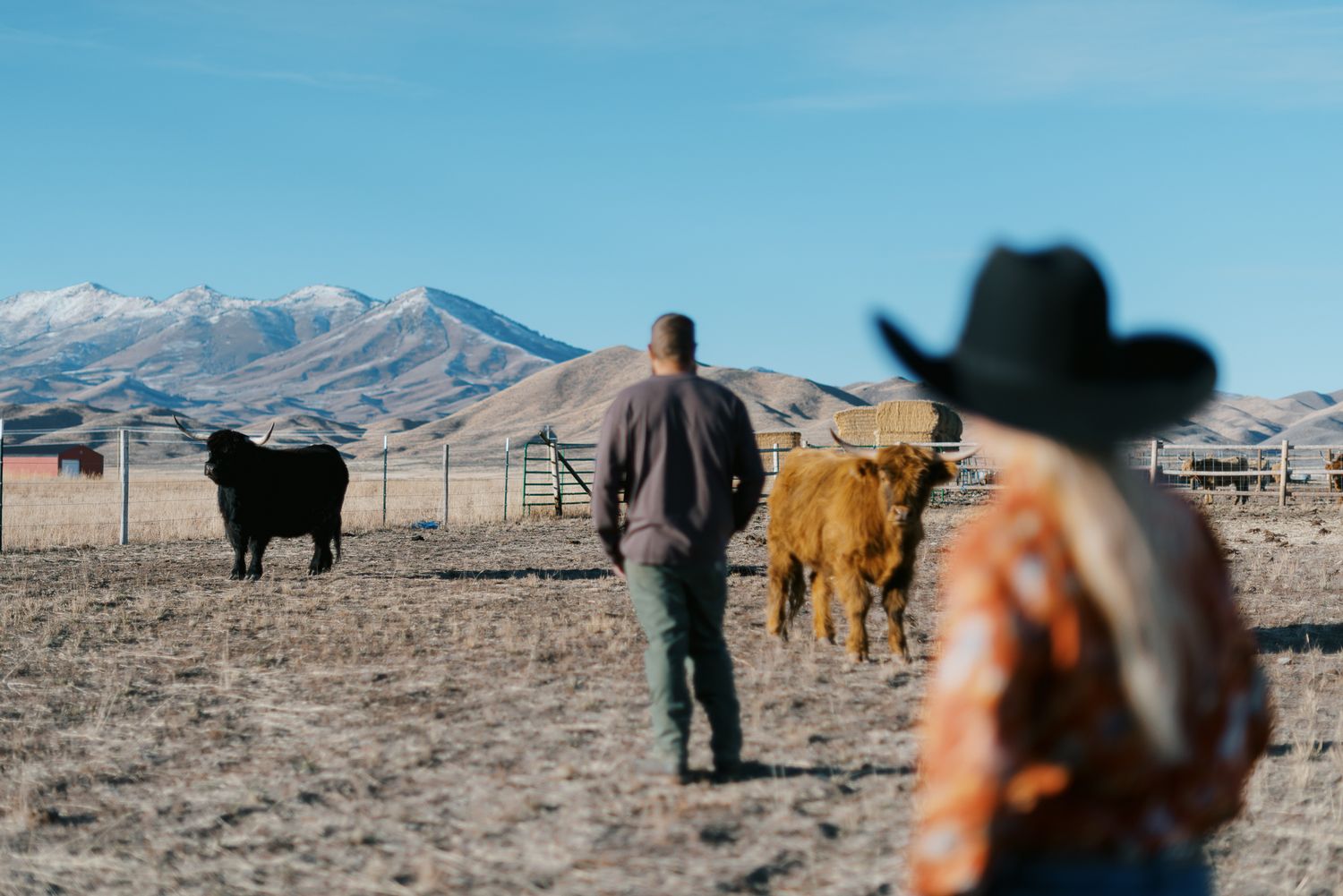
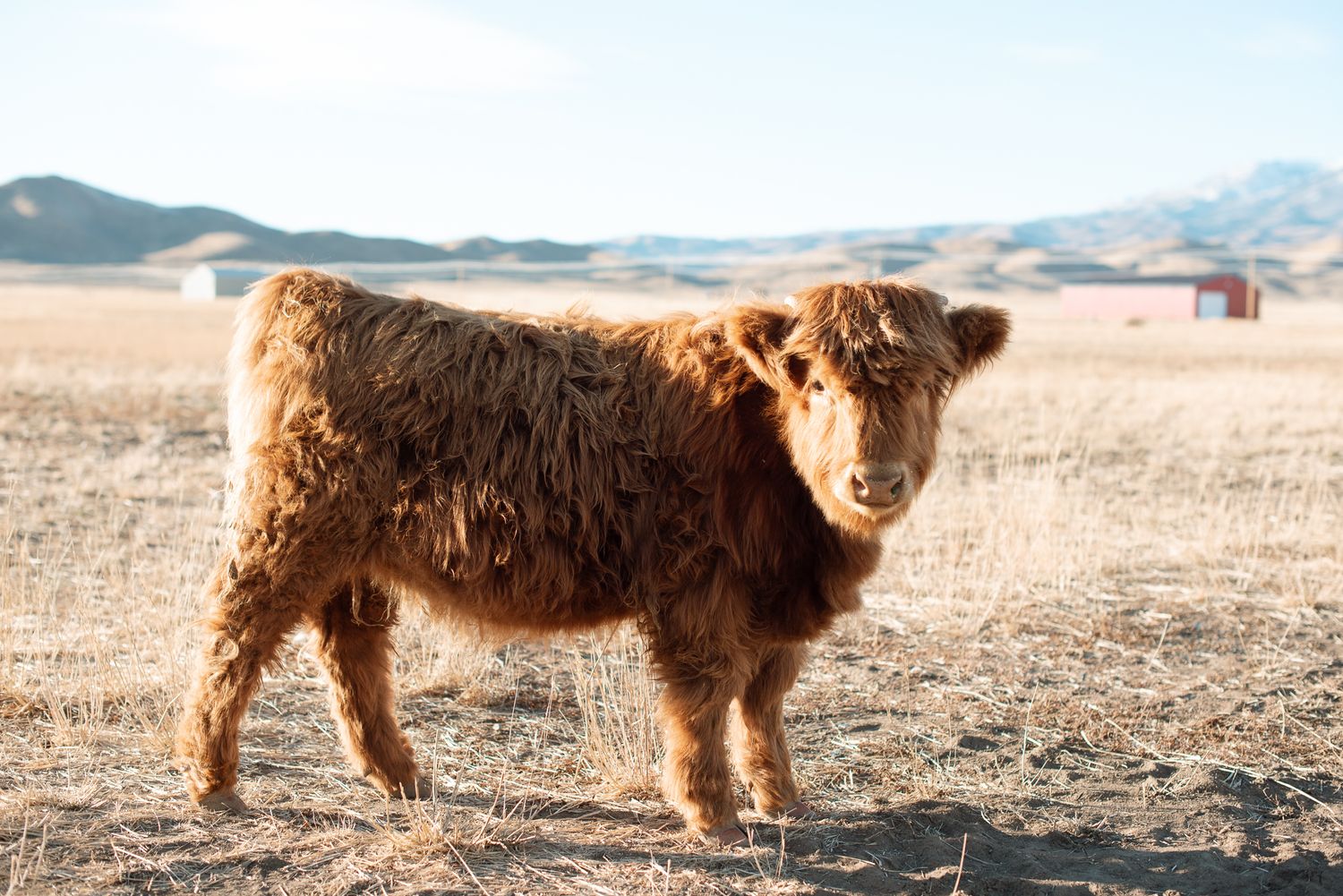
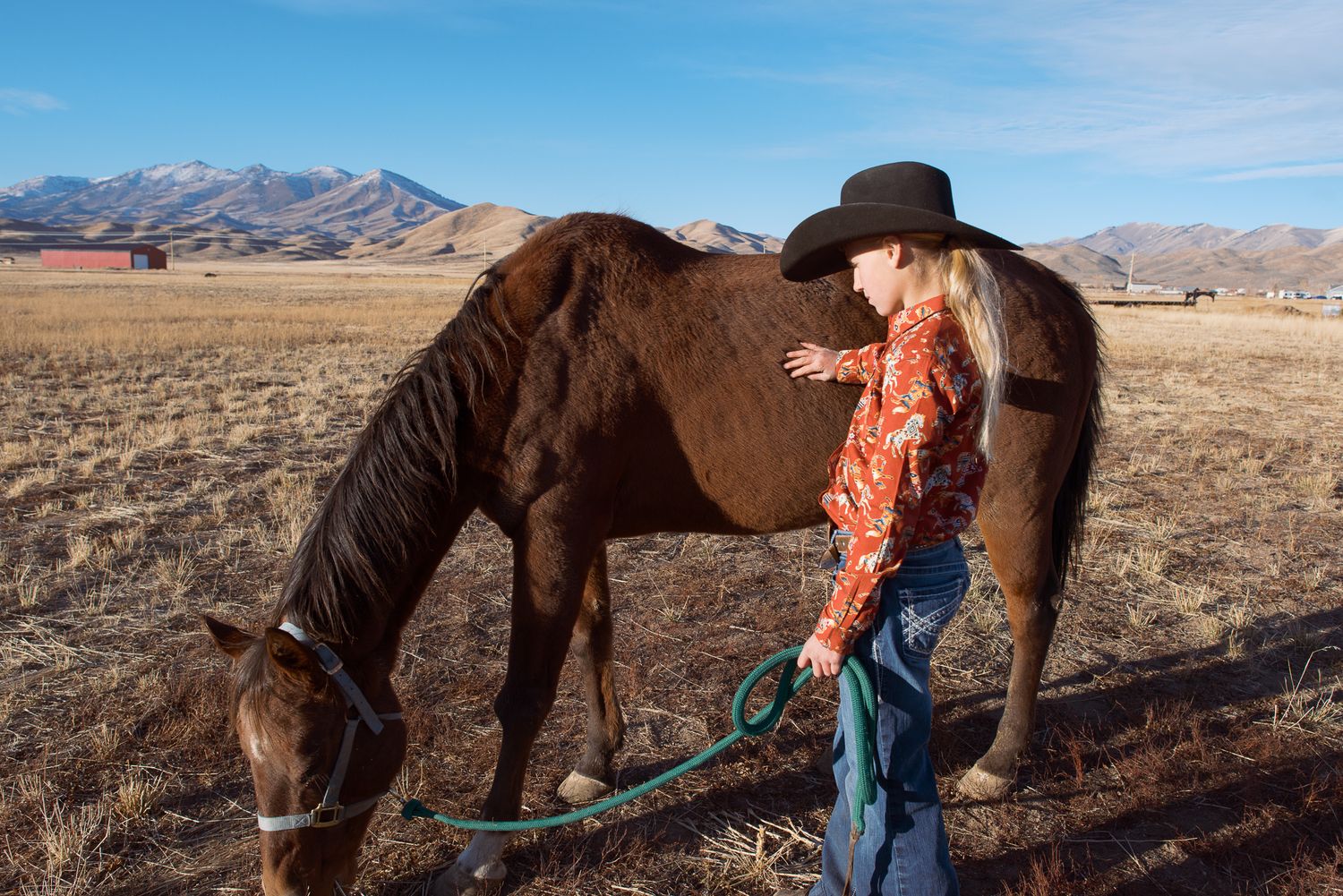
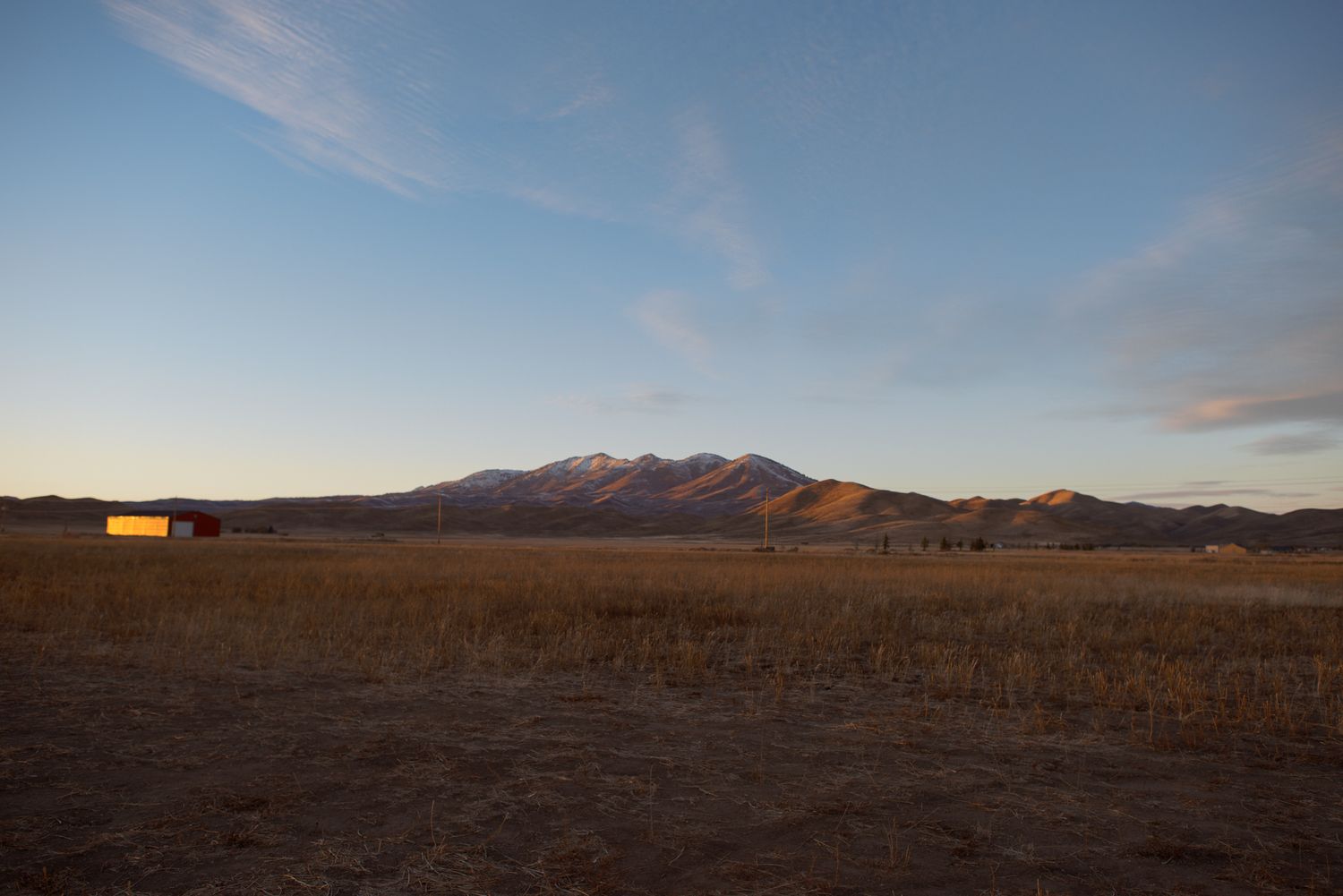
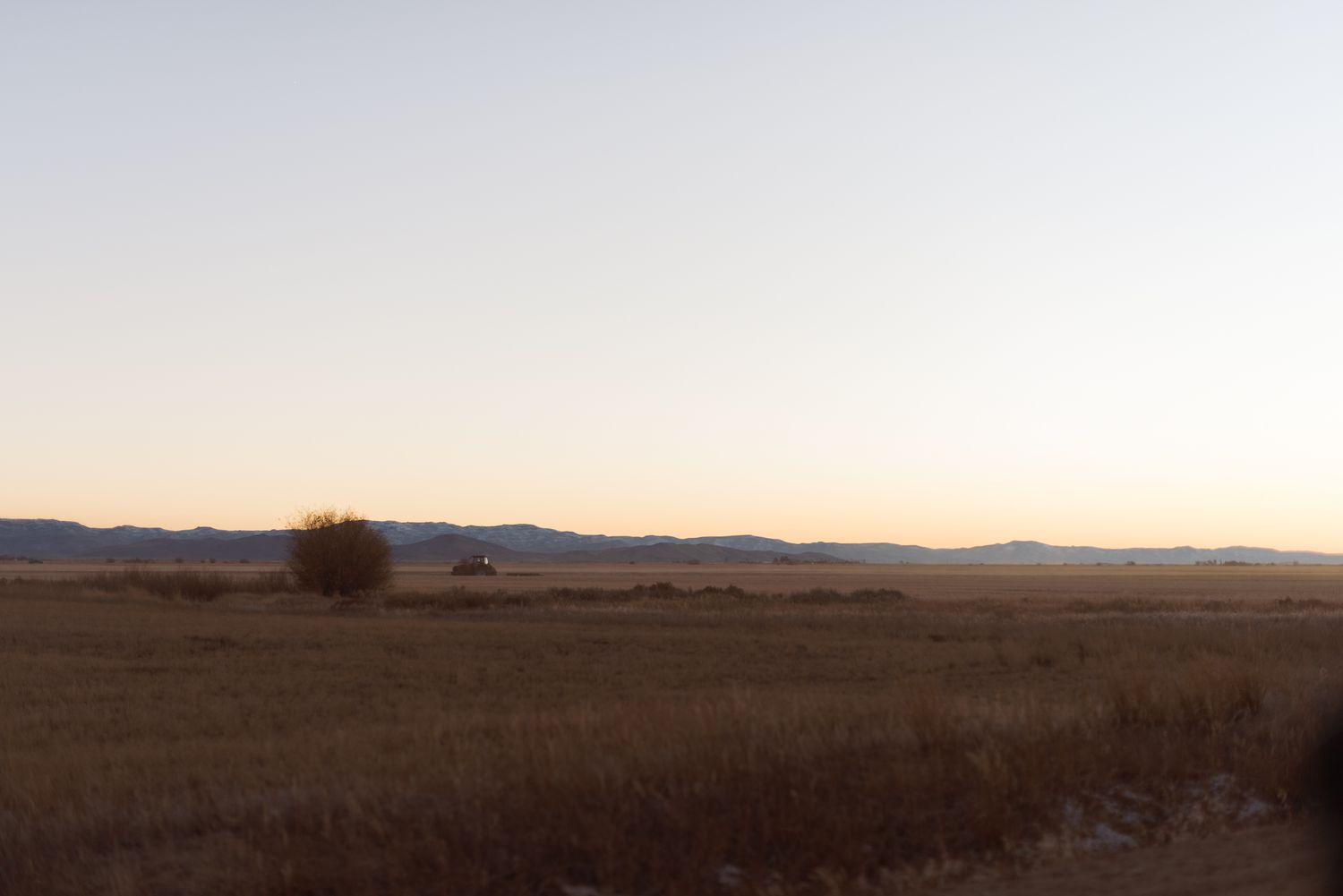
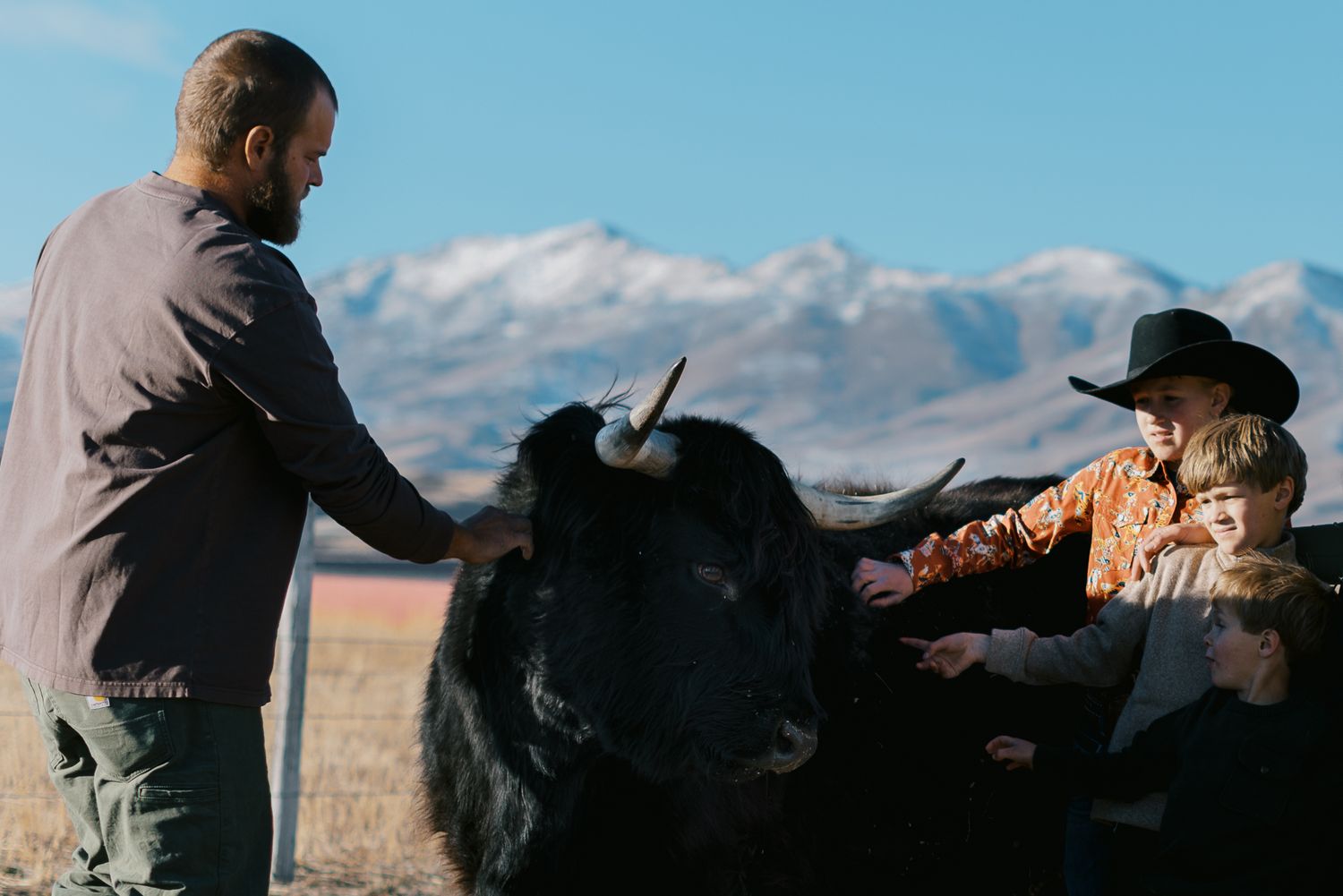
“Land restoration does not happen overnight. Slowly, but surely we’re working in the right direction,” Sammi Fontenot tells me as we walk the near the Highland cows she and her family raise. It’s early evening, the sun just setting behind purple hills. I stay for hours, walking the properties, snapping photos, and learning about the practices here on the ranch.
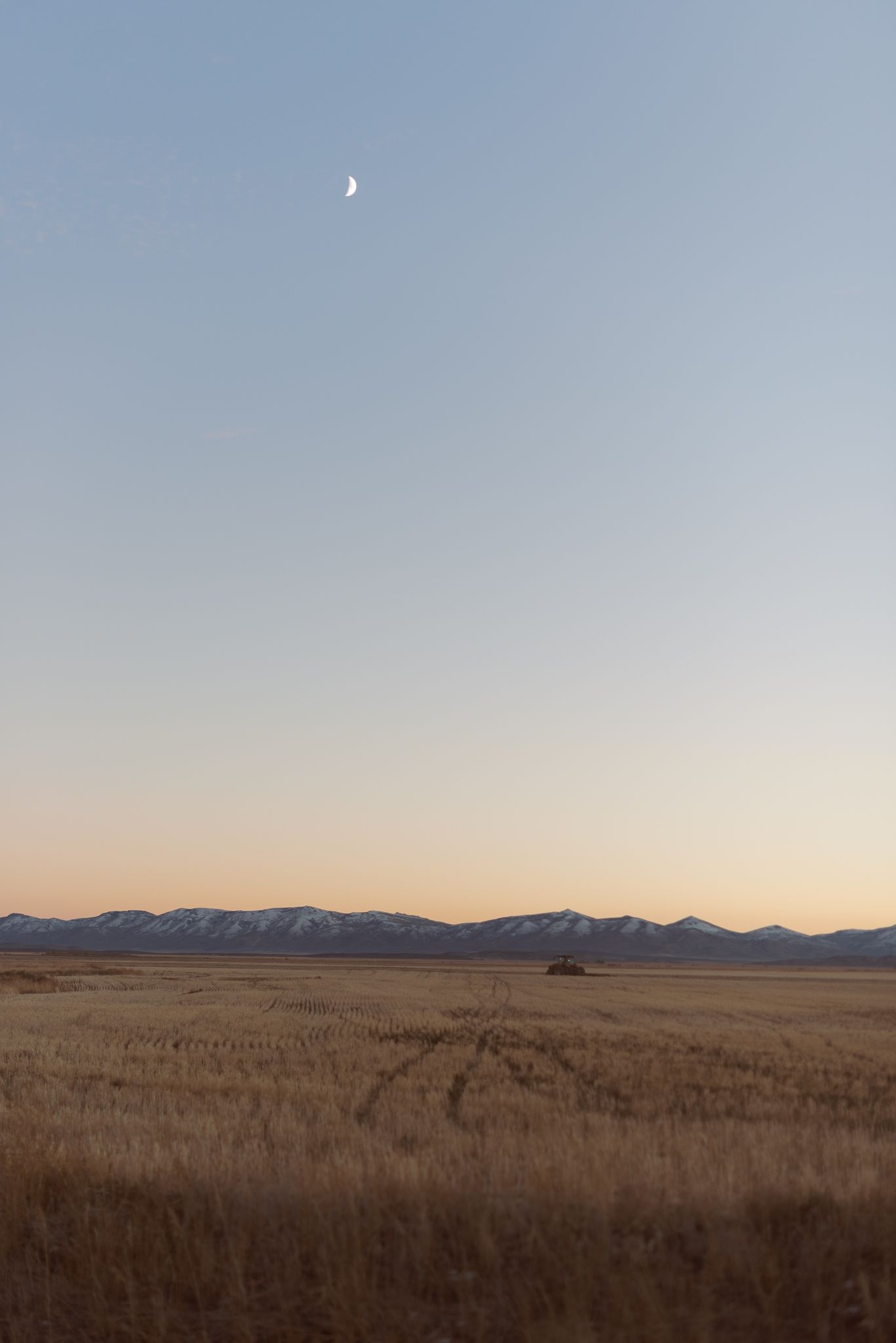
After her husband medically retired from the military, their family was looking for a place where they could grow and expand. They found it in Fairfield, a tiny town in Camas County nestled near solider mountain with Sun Valley an hour’s drive East.
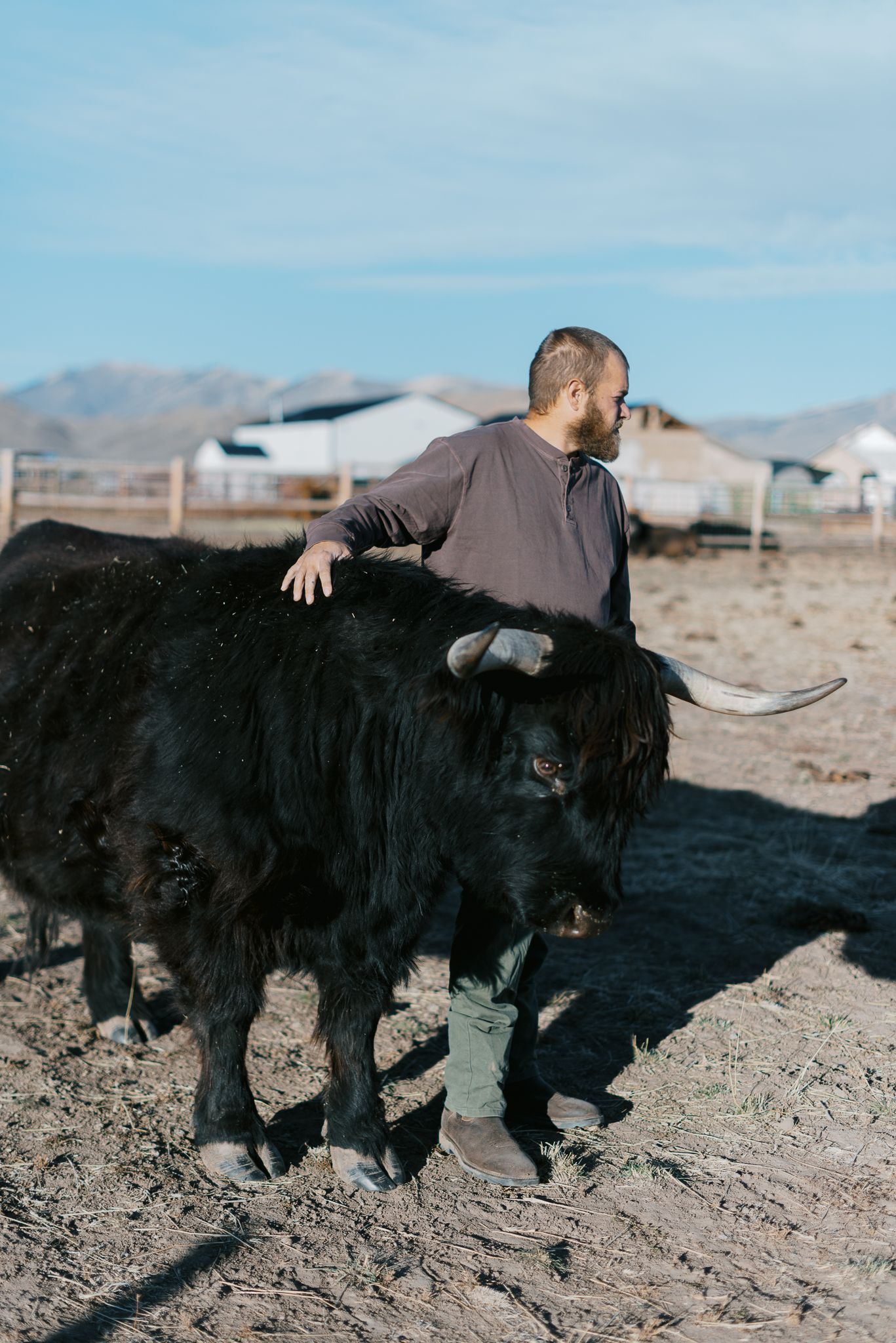
Sammi now owns Six Fold Ranch, a regenerative ranch in Fairfield, Idaho that raises AHCA-certified Highland cows. Regenerative ranching has been gaining traction in Idaho the past ten years thanks to its philosophy focusing on restoring the soil and ecosystem health. Current agricultural practices implement a toxic cycle of fertilizers, chemicals, and over-usage of water. These practices lead to bad soil health and depleting water supplies, all while financially draining the ranchers and damaging the soil’s fertility over time. In the last ten years, more Idaho farmers are turning toward regenerative practices.
The goal of sustainability drew her to regenerative ranching. “When we talk long-term sustainability,” she says, “we’re referring to maintaining ecological, economic, and social systems over an extended period of time without depleting resources or causing harm to the environment or society. By implementing regenerative practices, we are aiming to create not only a sustainable system, but also restorative and productive system for the future. Restoring ecosystems can improve the soil quality. In turn, our cattle are healthier, and they provide us with more nutrient dense beef.”
One of the primary reasons they choose to raise Scottish Highlands is their innate ability to forage and browse. Sammi explained, “They will clean up where other breeds fail to. We knew they were a great fit for the sustainability we were looking for. Three years ago, we started with a field of winter wheat full of weeds that had been farmed an unknown amount of time. We planted a dry land grass mix to establish our ecosystem’s roots. Once established enough, we began to graze our Highlands through the pastures, each year making improvements to the rotational grazing system. In the coming year, we will be implementing a prescribed grazing program. This will give us an idea of how many acres, head of cattle, and how many days the grass can be grazed before needing to rest and recover.”
Sammi is just a short three years from when she and her husband initially planted the pastures with a dry land grass mix. “We chose the breed for their heartiness and foraging abilities. In a short amount of time though, we have noticed the welfare of our Scottish Highlands improving. They require very little maintenance and thrive in the extreme climates and pasture conditions. Our soil health is also improving. Last, but certainly not least, is weed management. Each year the pastures become less and less infested with weeds, and more grasses come up.”
“With soil health improving, yields can improve, and water needs can decrease. One of biggest benefits is allowing our cattle to graze in a pattern that is natural to them.“
Regenerative practices might just be the key to creating sustainable ranching in Idaho, one that heals our land, and looks with hope toward future generations.
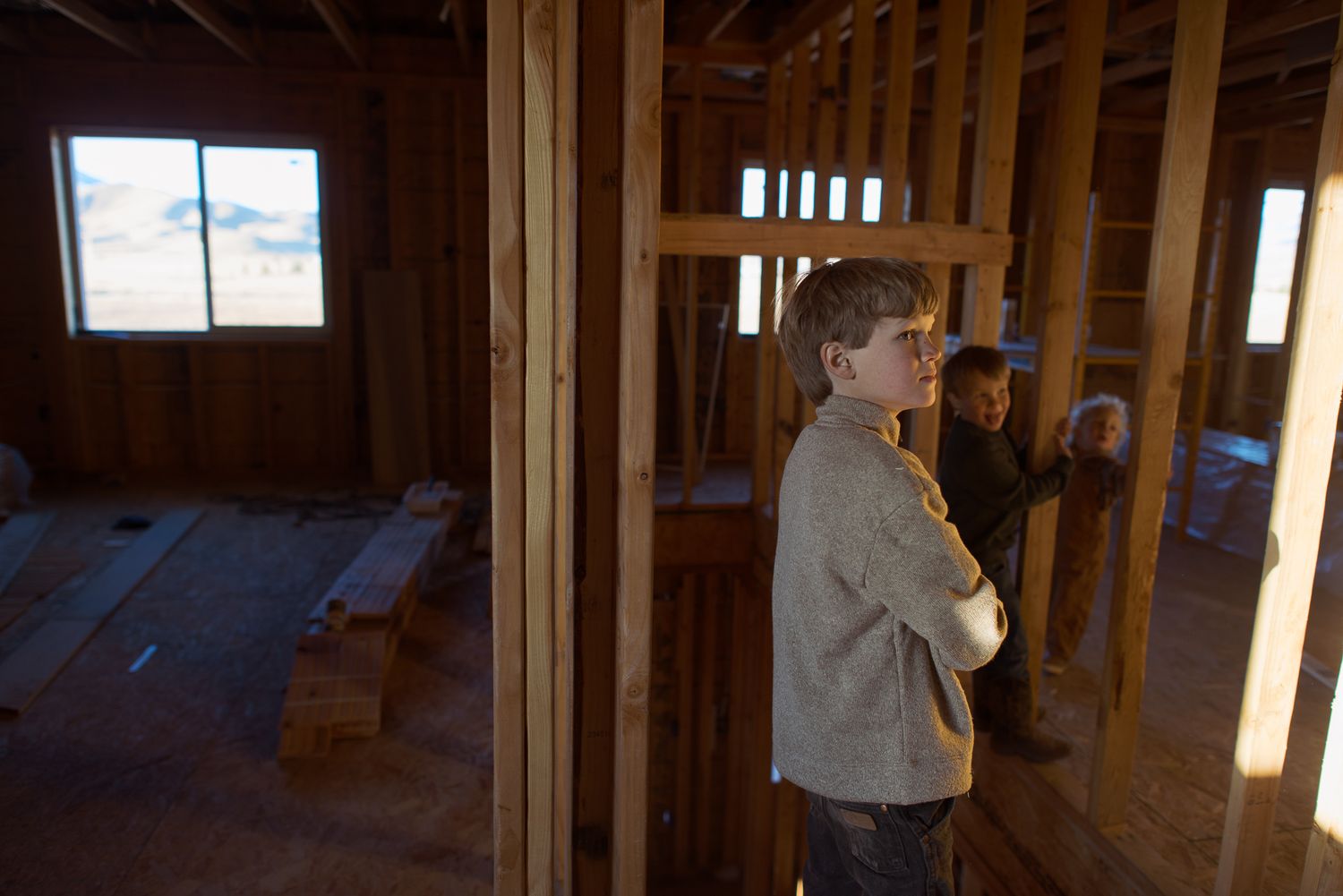
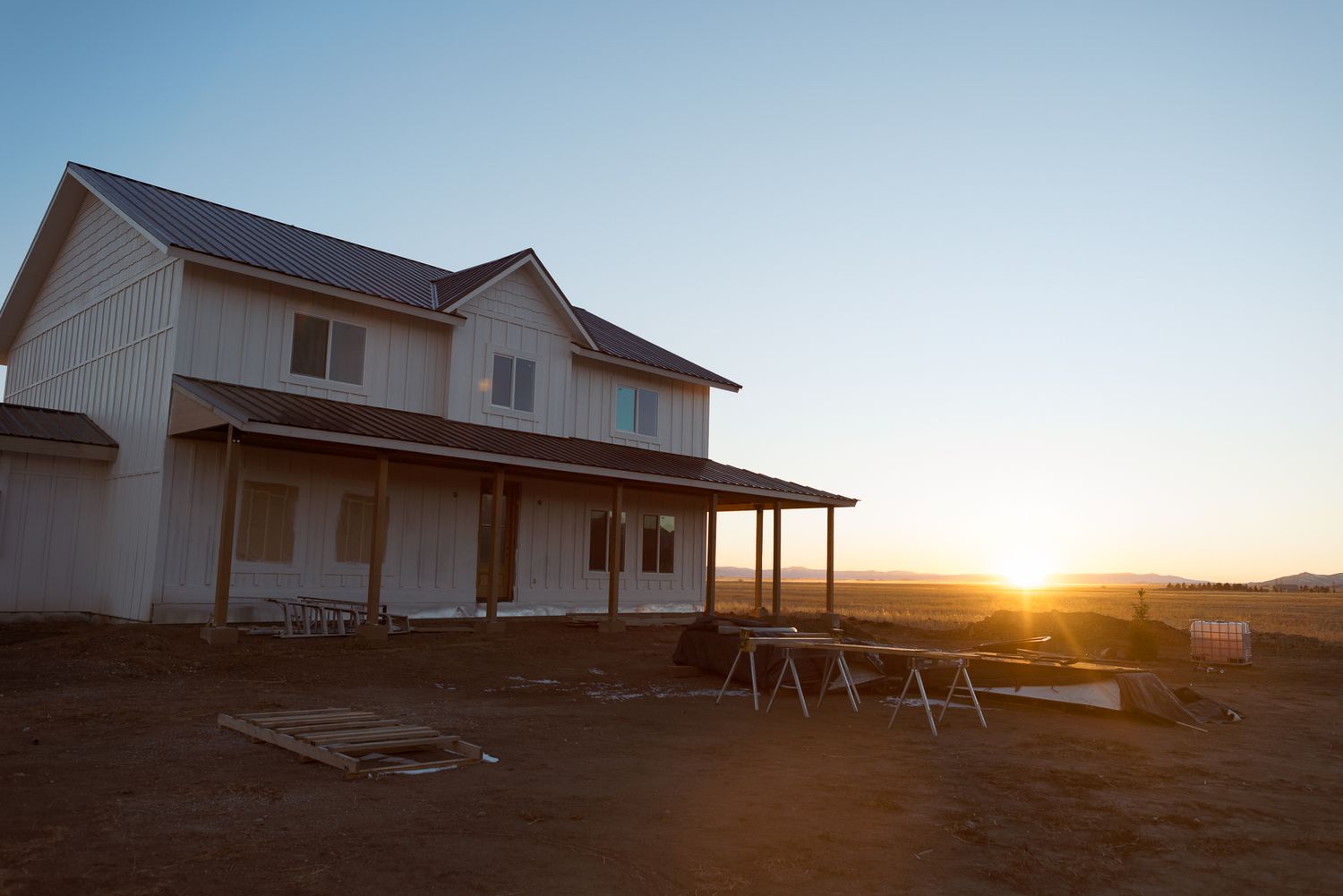
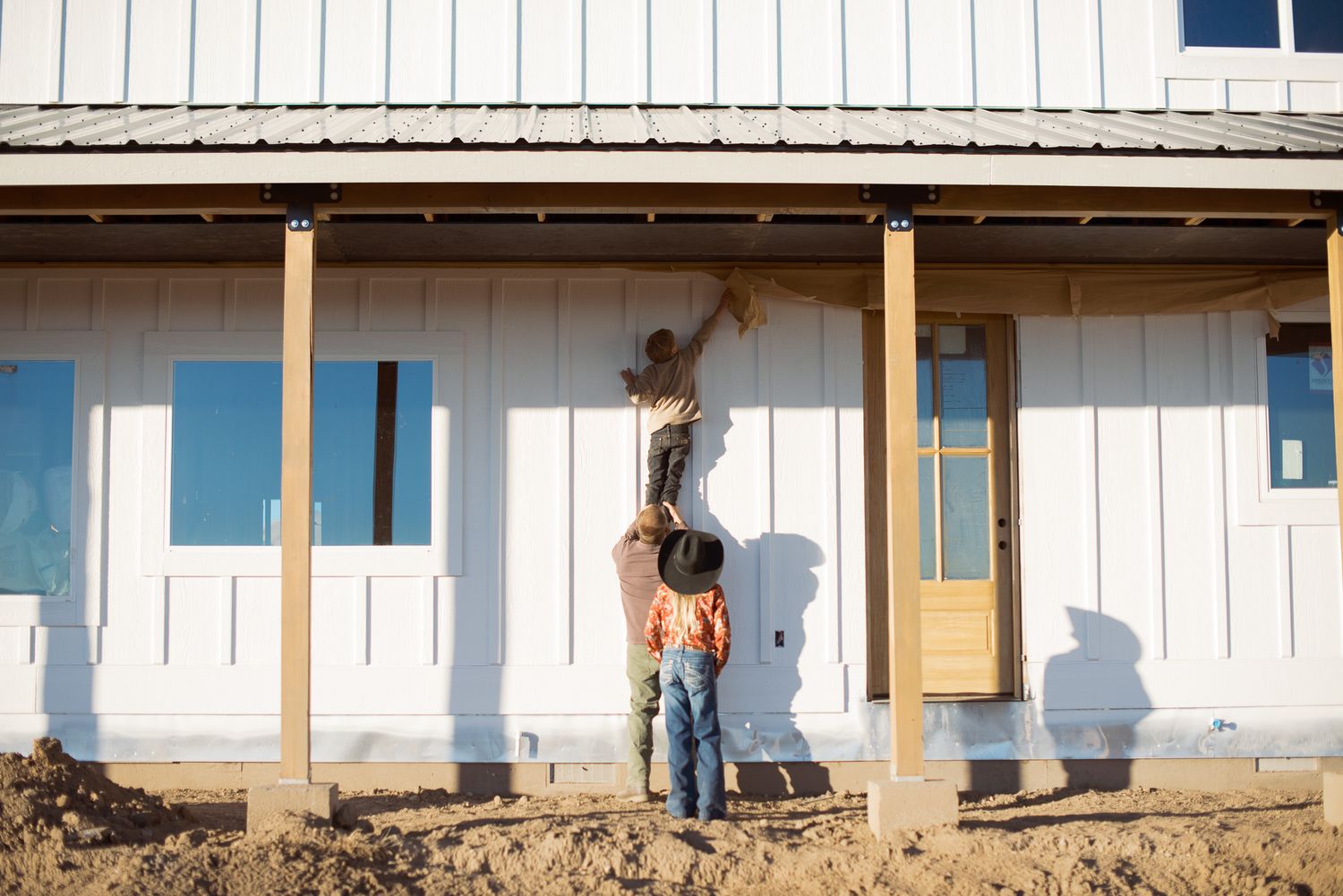
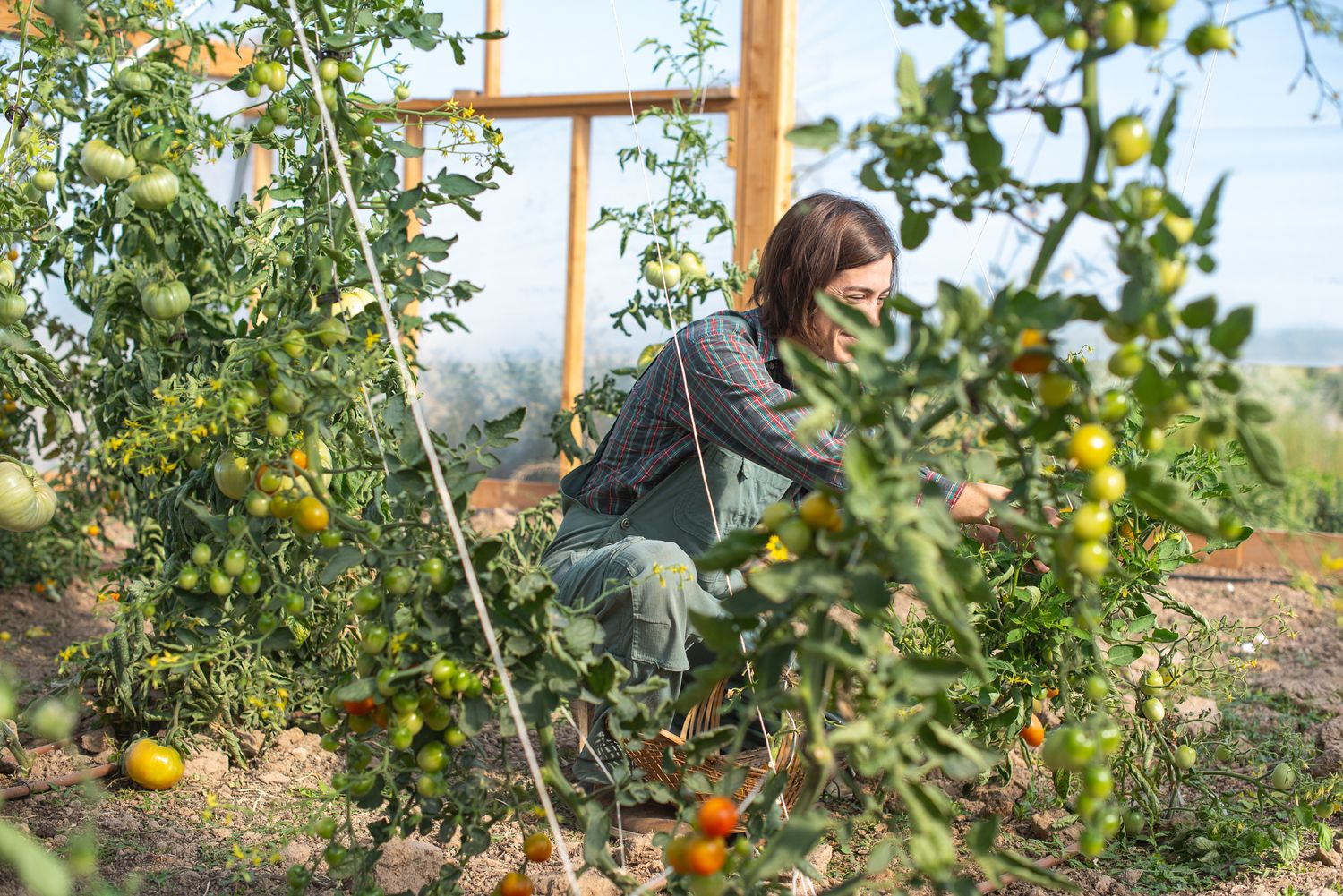
Since I wrote this, I’ve discovered a passion for photographing regenerative farming and ranching, which has become more popular over the last few years. You can also see in the photos that they were in the process of building a home on their ranch.
I’m a city dweller so I know nothing of this first hand but Sami from Six Fold Ranch in Fairfield told me all about it, as you read. I went home and researched more. I’m so glad I did.